
RAG-Powered Knowledge Base
Implemented intelligent knowledge base with semantic search, conversational AI, and automatic freshness monitoring. Achieved 64% ticket deflection.
Implemented intelligent knowledge base with semantic search, conversational AI, and automatic freshness monitoring. Achieved 64% ticket deflection.
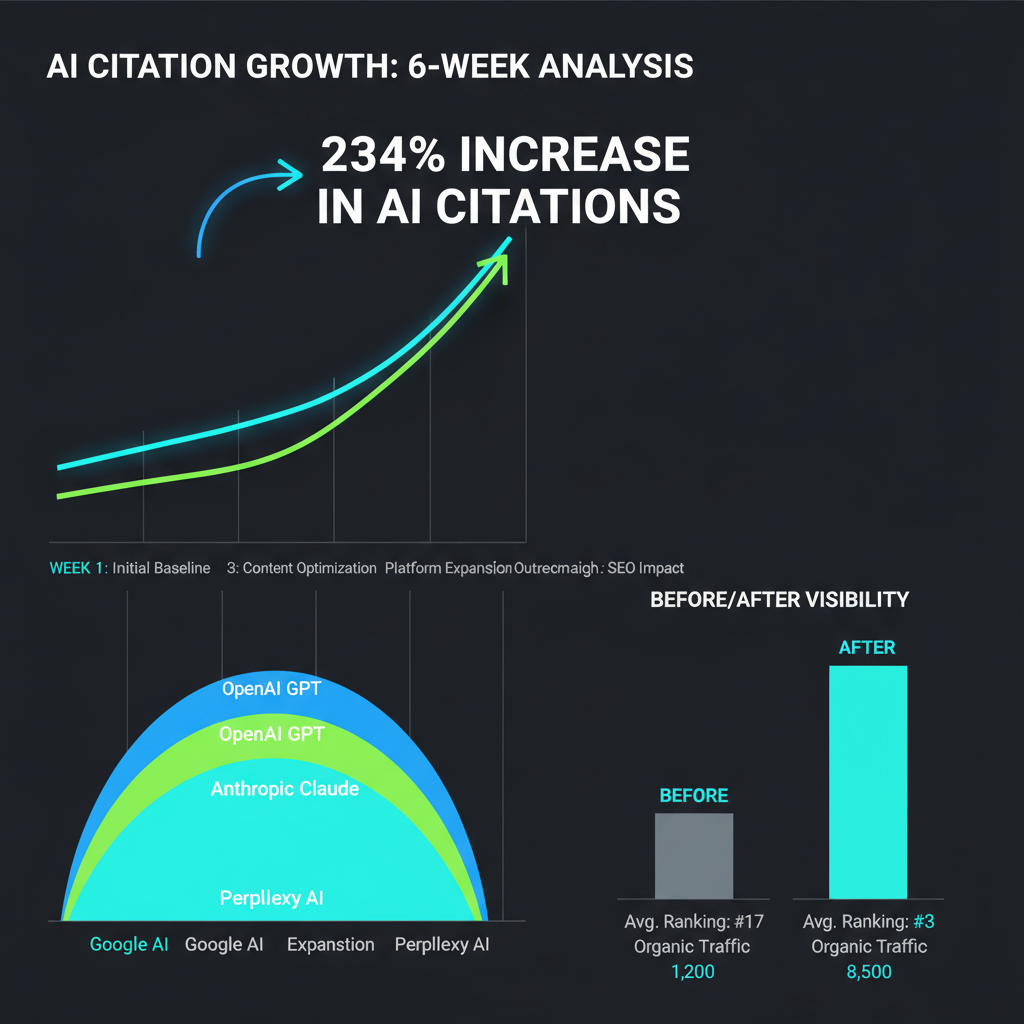
A growing SaaS company's support team faced a scaling crisis. Ticket volume grew 30% quarterly while headcount couldn't keep pace. The support team answered the same questions repeatedly—the same issues explained slightly differently dozens of times per week. Meanwhile, their static knowledge base had grown stale: audit revealed 30% of articles contained outdated information. Customers couldn't find answers self-serve, so they opened tickets. Support costs were growing faster than revenue, threatening unit economics as the company scaled.
We designed a RAG-powered knowledge base that would transform how customers find answers. Rather than static search across outdated articles, customers would interact with an intelligent system that understands questions, retrieves relevant information, synthesizes coherent answers, and escalates to humans only when necessary. The system would monitor content freshness automatically, flagging articles that need updates. The goal: dramatically increase ticket deflection while improving customer experience through faster, better answers.
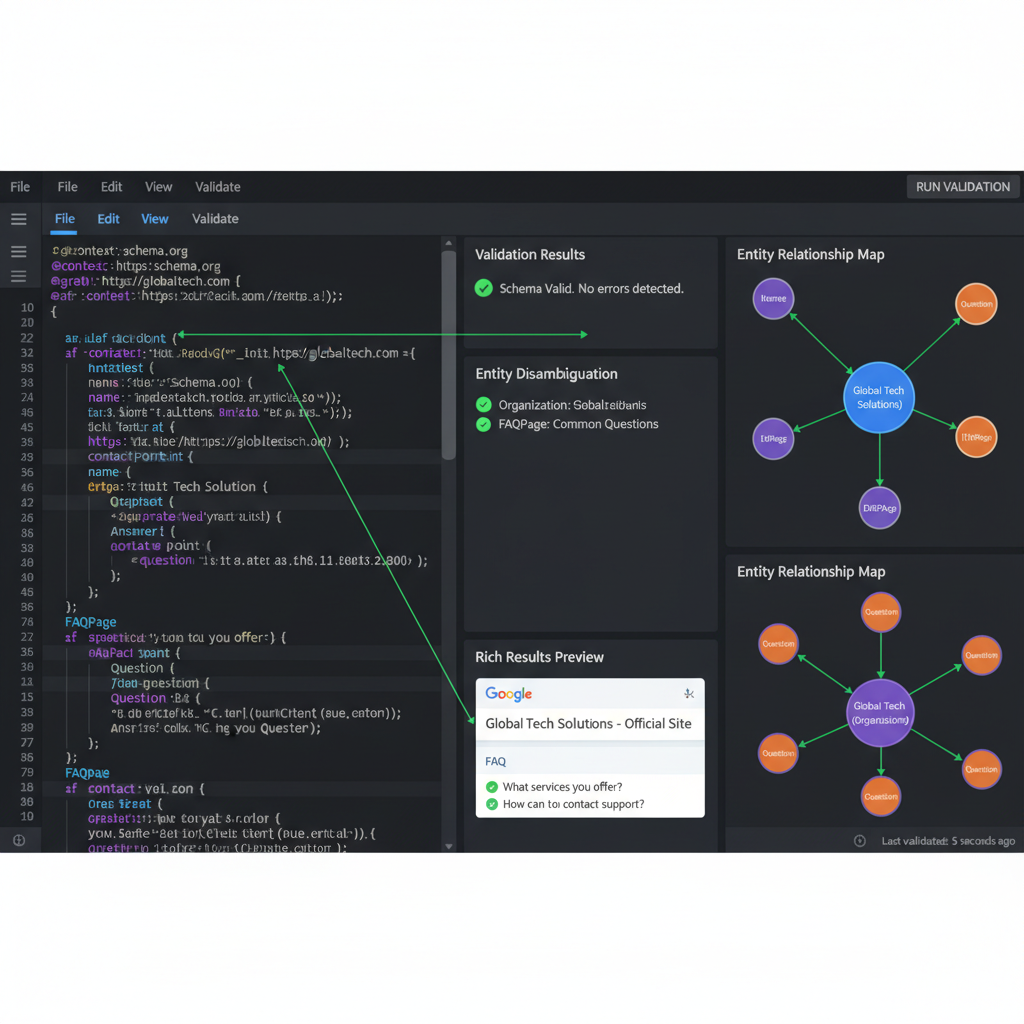
System architecture and workflow visualization
Pinecone vector database stores embeddings of all knowledge base content, enabling semantic search that understands meaning rather than just matching keywords. When customers ask questions, their query is converted to an embedding and matched against relevant content chunks.
Claude processes retrieved information and generates natural language responses—not just returning article links, but actually answering questions in conversational form. The system can synthesize information from multiple articles, providing comprehensive responses to complex questions.
A custom embedding pipeline processes new and updated content, maintaining the vector database current. The freshness monitoring system tracks when articles were last validated, automatically flagging content beyond a threshold for review.
Human escalation workflows ensure complex issues reach support agents seamlessly. When the AI lacks confidence in an answer or detects frustration signals, it transfers the conversation gracefully, providing agents with full context.
The analytics dashboard tracks deflection rates, answer accuracy, escalation patterns, and content gaps—revealing what topics need more coverage and which articles drive the most value.
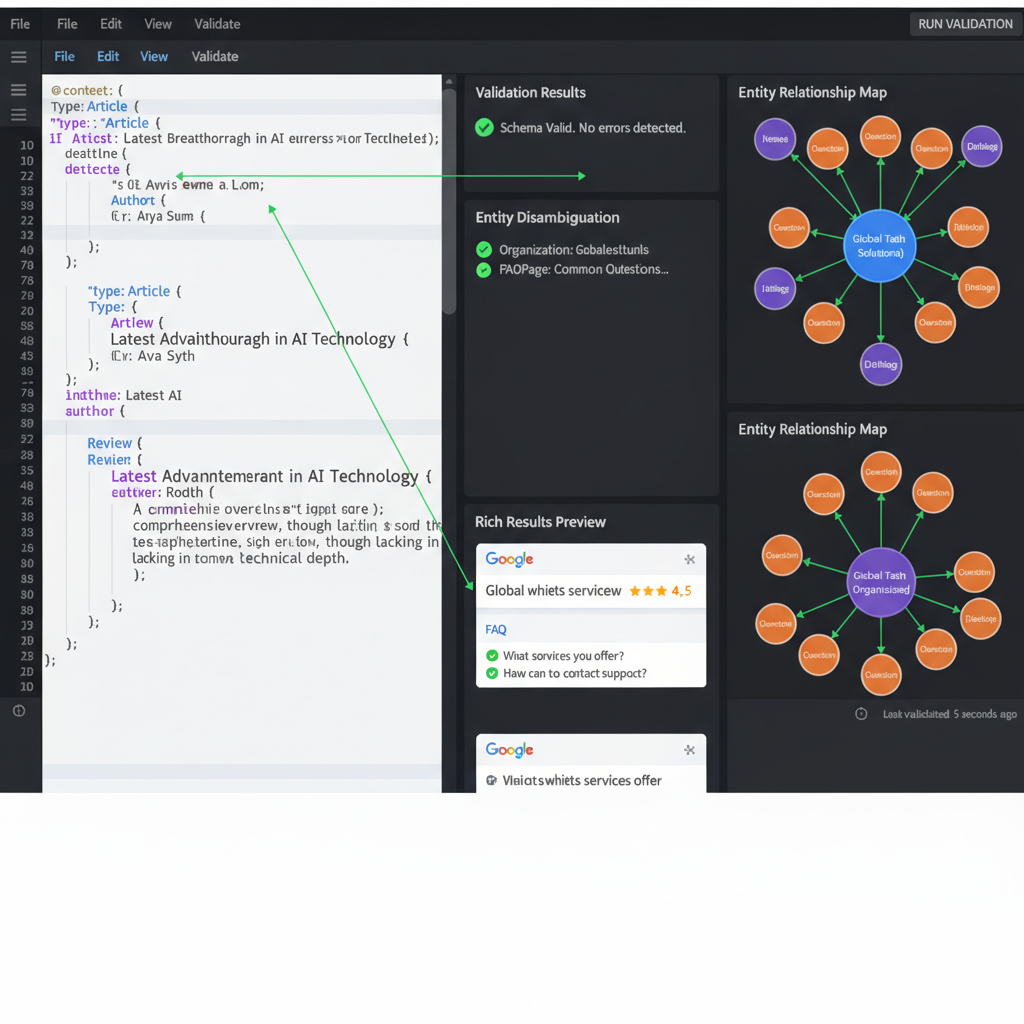
Technical implementation and integration details
Six weeks post-deployment, support metrics transformed:
The company now scales support capacity through technology rather than linear headcount growth.
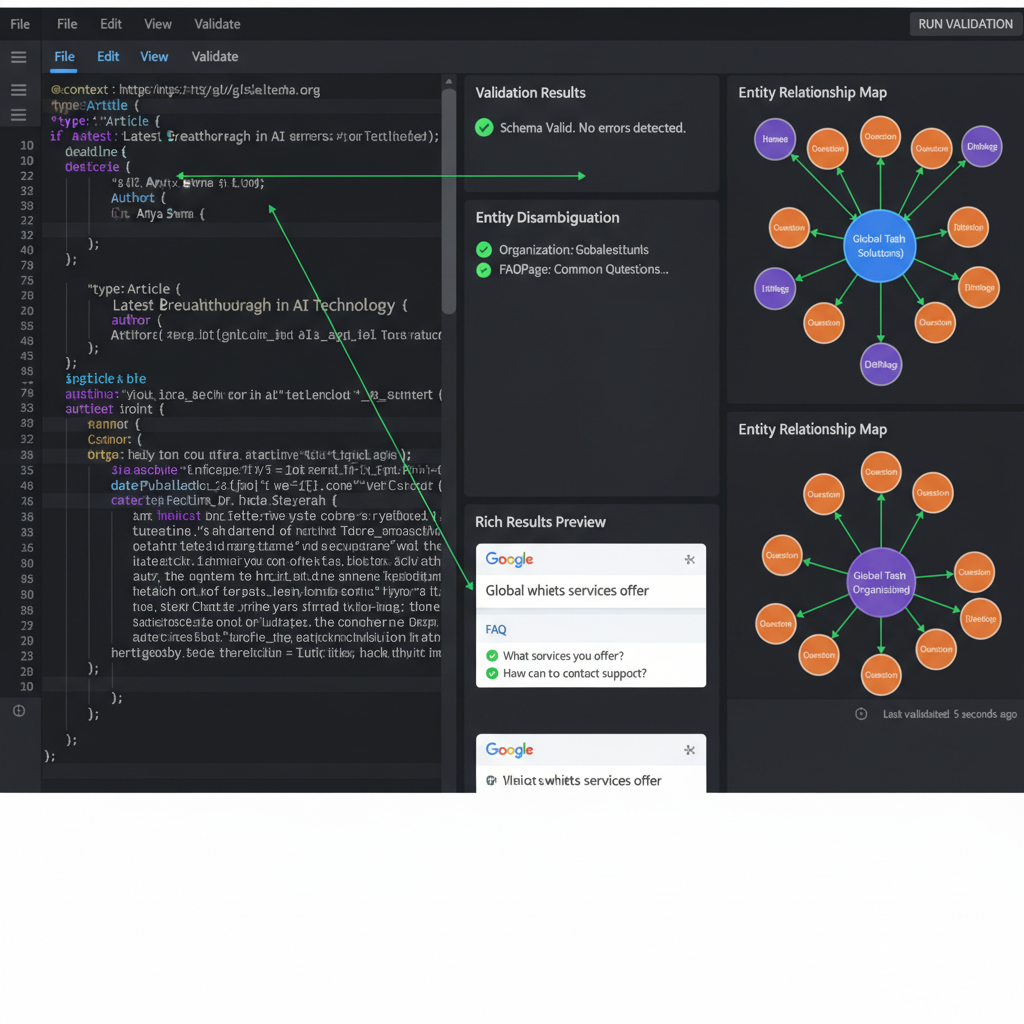
Performance metrics and results visualization
RAG systems dramatically outperform traditional knowledge base search because they understand meaning, not just keywords. Content freshness monitoring proves essential—outdated information erodes customer trust quickly. Graceful human escalation preserves customer experience when AI reaches its limits. The combination of deflection and improved customer satisfaction demonstrates that better self-service isn't a compromise—it's what customers actually prefer for routine questions.
Explore similar case studies
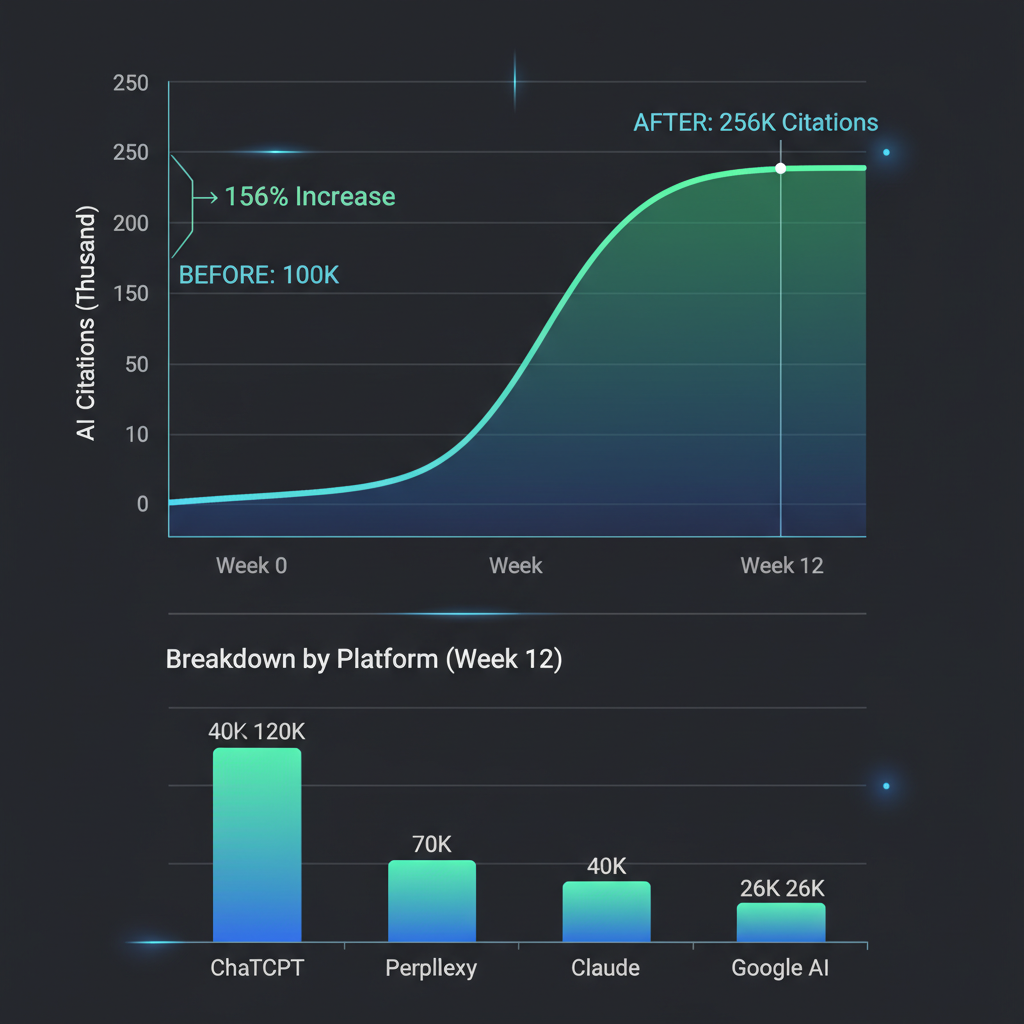
Built a multi-agent GEO monitoring platform tracking AI citations across ChatGPT, Perplexity, and Claude. Increased AI platform visibility 156% with real-time citation intelligence.
Led comprehensive digital transformation consolidating 15 disconnected tools into unified AI-first architecture. Achieved 85% task reduction and $2.1M annual savings.
Built RAG-powered content system with brand voice modeling and human-in-the-loop quality gates. Achieved 5x production increase with 94% brand consistency.
Let's discuss how similar strategies and AI-powered solutions could drive measurable results for your business.