
AI Content Production Pipeline
Built RAG-powered content system with brand voice modeling and human-in-the-loop quality gates. Achieved 5x production increase with 94% brand consistency.
Built RAG-powered content system with brand voice modeling and human-in-the-loop quality gates. Achieved 5x production increase with 94% brand consistency.
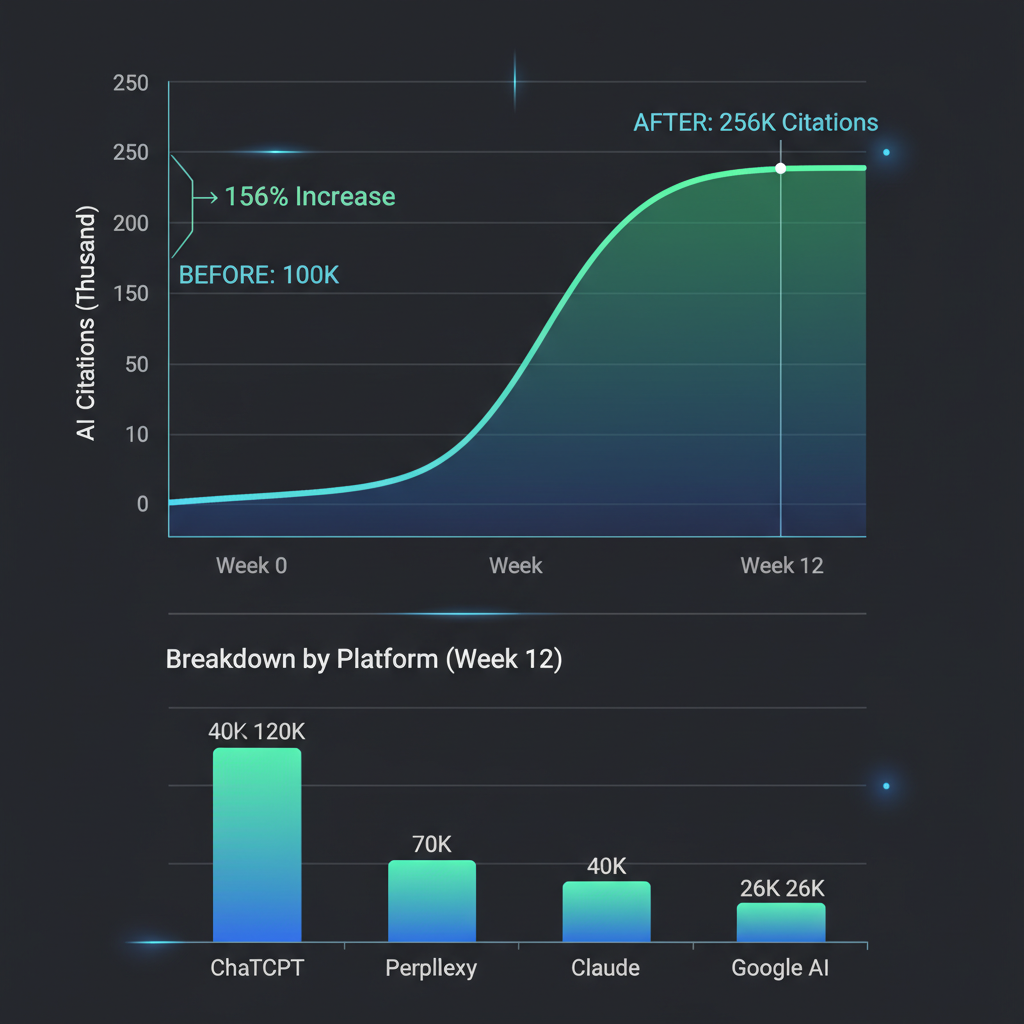
A content marketing agency serving enterprise clients faced an impossible equation: clients demanded more content, higher quality, faster turnaround—and weren't willing to pay proportionally more. Their manual production process averaged 12 hours per long-form article: research, outline, draft, edit, optimize, format. Quality varied significantly depending on which writer handled a piece. Scaling meant linear headcount growth with proportional management overhead. They needed to fundamentally reimagine content production to achieve 5x scale without 5x cost.
We designed an autonomous content production engine that would handle routine tasks while preserving human creativity and judgment for high-value decisions. The system wouldn't replace writers—it would amplify them. Our architecture combined RAG-powered research (ensuring every piece starts with comprehensive, current information), AI-assisted writing with sophisticated brand voice modeling, automated SEO optimization, and human-in-the-loop quality gates at critical checkpoints. The goal: reduce time-per-article dramatically while improving consistency and maintaining (or exceeding) quality standards.
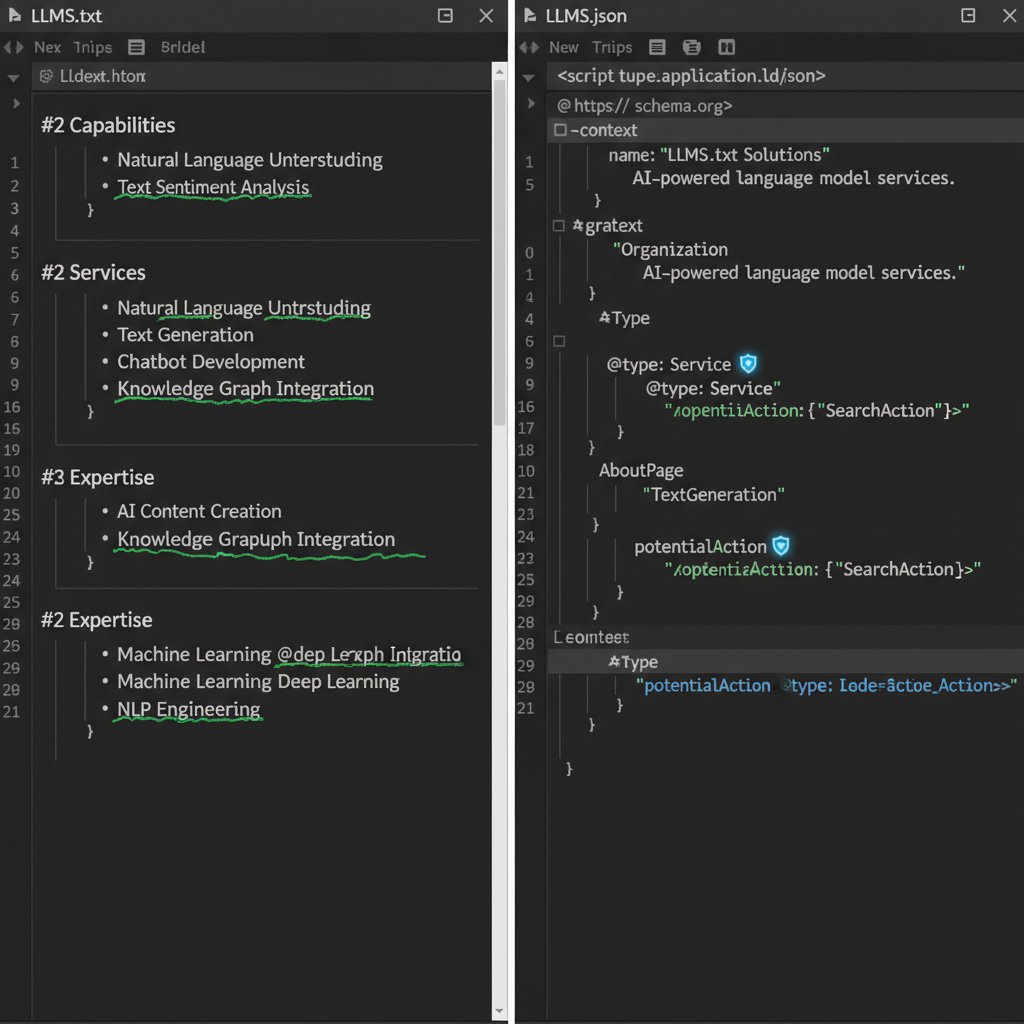
System architecture and workflow visualization
The technical foundation starts with a custom RAG system built on Pinecone vector database. When a content brief is created, the system retrieves relevant information from a curated knowledge base of industry sources, client materials, and competitive content. This eliminates the research phase bottleneck while ensuring writers start with comprehensive context.
Claude handles content generation with sophisticated brand voice modeling. We trained custom prompts on each client's existing content, extracting tone, terminology, structural preferences, and stylistic patterns. The result: AI-generated drafts that sound authentically like the brand rather than generic AI output.
N8N orchestrates the production workflow—routing assignments, triggering research retrieval, managing review stages, and delivering final assets. Integration with Clearscope ensures SEO optimization happens automatically rather than as a separate step.
We built a custom quality scoring model that evaluates drafts against brand voice standards, readability targets, and SEO requirements before human review. This catches issues early, reducing revision cycles. Linear manages the editorial workflow, providing visibility into production status across all content in flight.
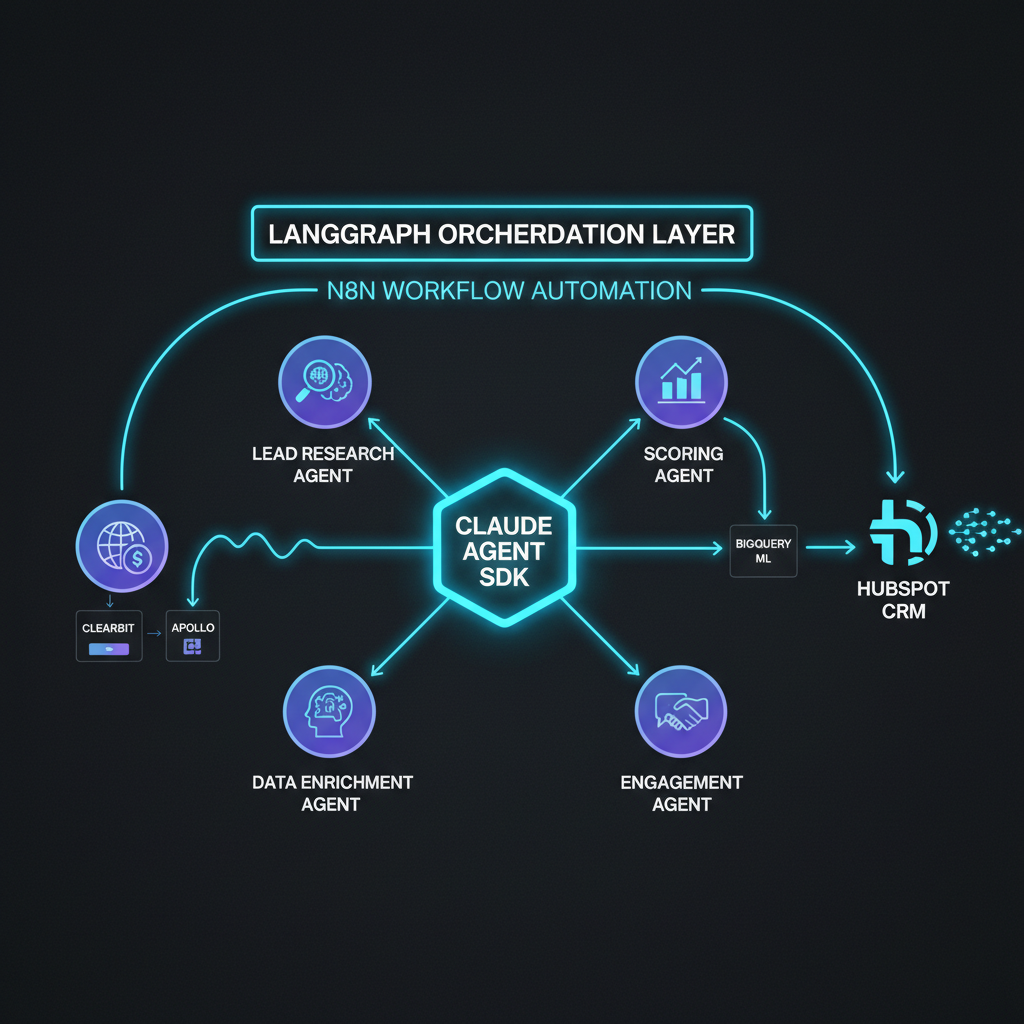
Technical implementation and integration details
Within ten weeks, the system transformed production capabilities:
The agency now handles content volume that would have previously required tripling their team.
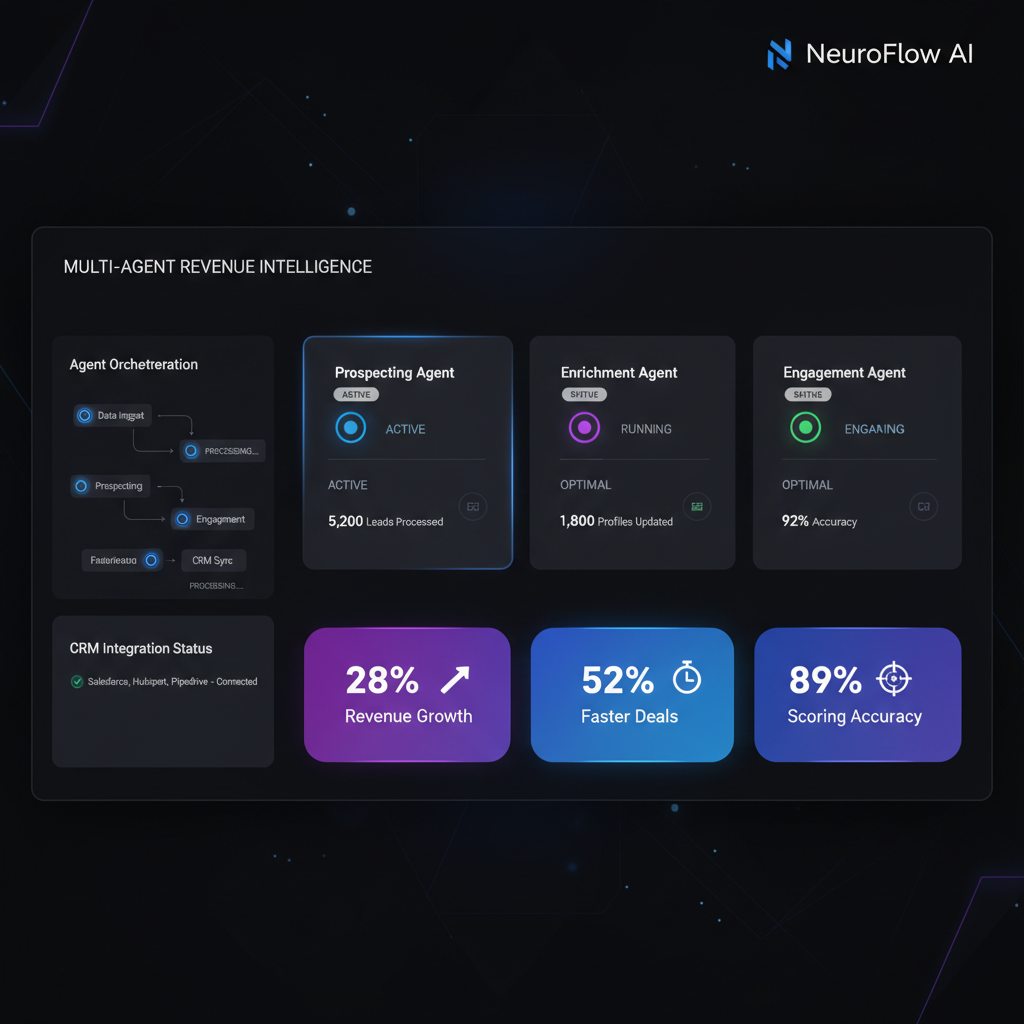
Performance metrics and results visualization
RAG systems dramatically reduce research time while improving content quality—writers start informed rather than starting from scratch. Brand voice modeling requires careful prompt engineering but delivers consistency impossible with human-only teams. The critical insight: automation should handle predictable tasks while preserving human judgment for creative decisions and quality gates. The best AI content systems augment writers rather than attempting to replace them entirely.
Explore similar case studies

Built a multi-agent GEO monitoring platform tracking AI citations across ChatGPT, Perplexity, and Claude. Increased AI platform visibility 156% with real-time citation intelligence.
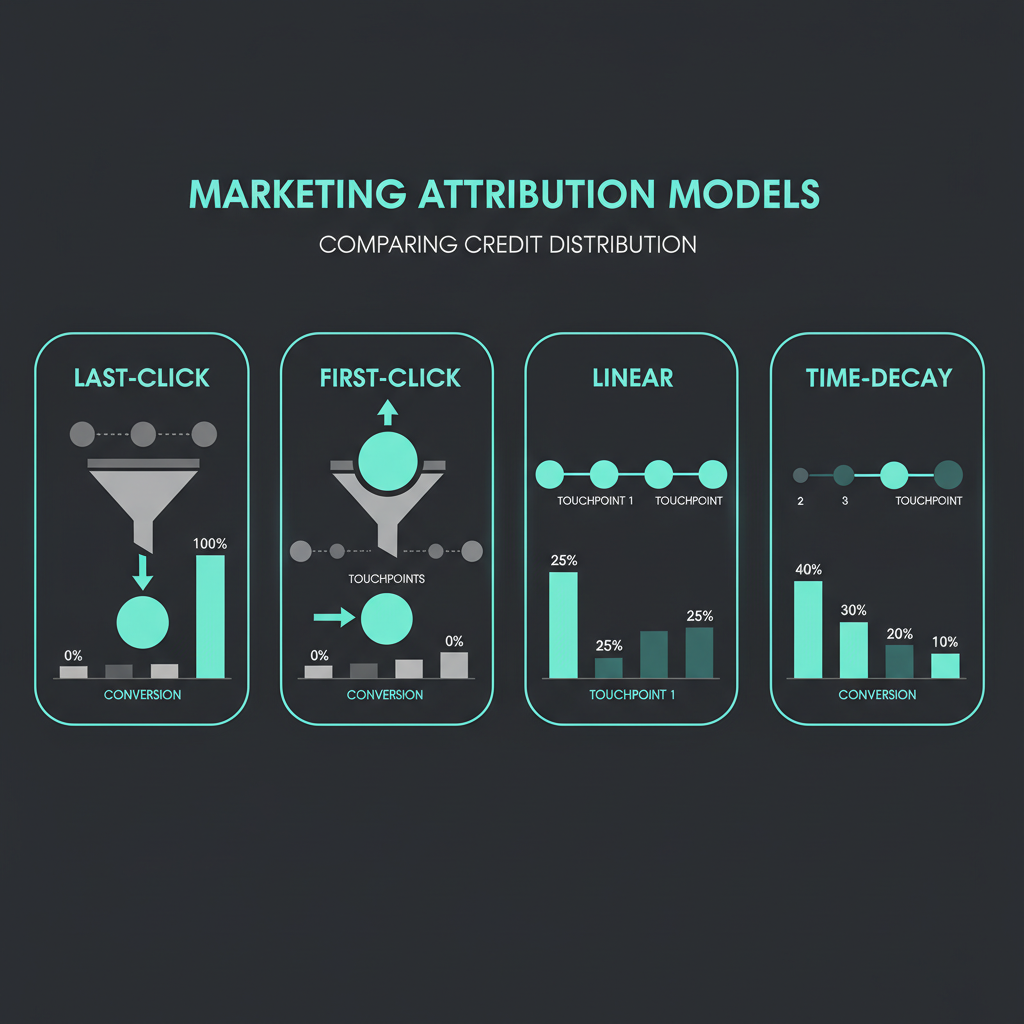
Led comprehensive digital transformation consolidating 15 disconnected tools into unified AI-first architecture. Achieved 85% task reduction and $2.1M annual savings.
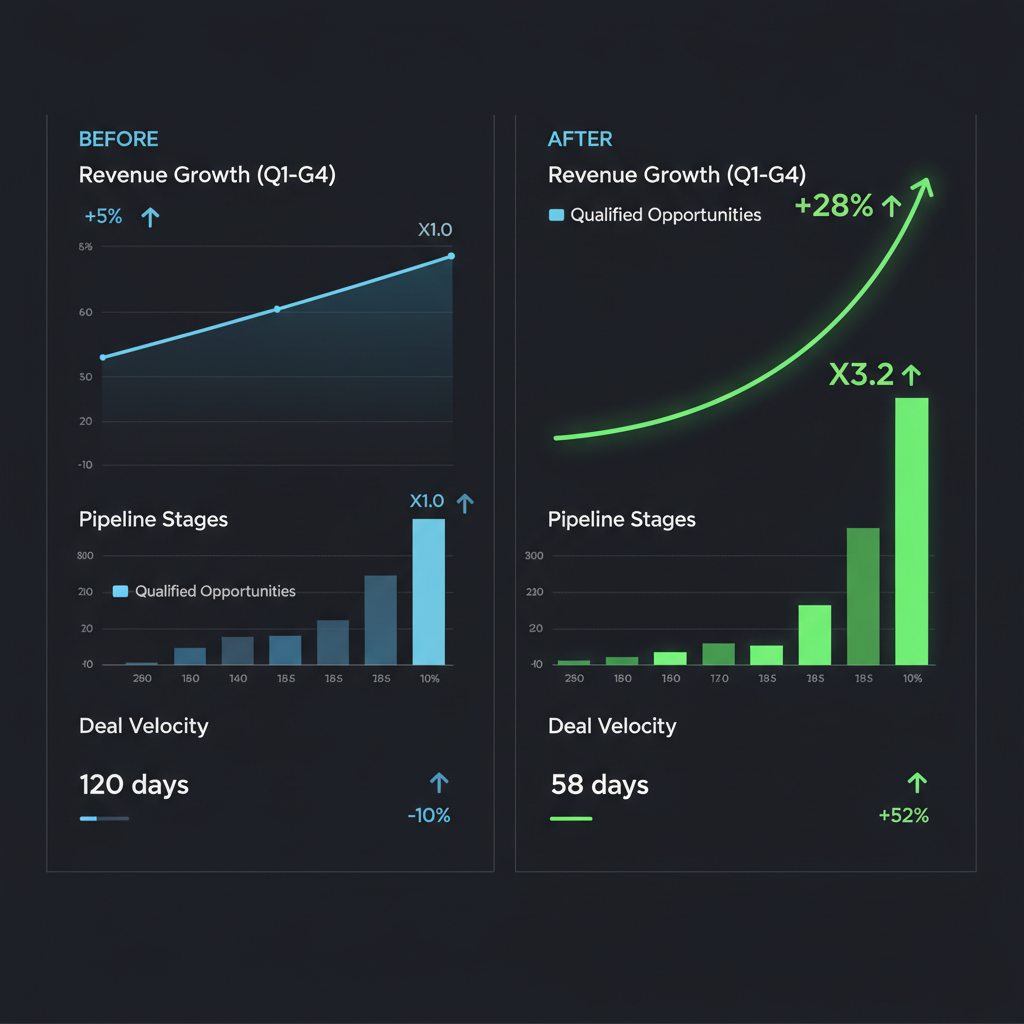
Implemented sub-500ms marketing analytics across 12 channels with AI anomaly detection. Reduced wasted spend 34% and saved $890K through early issue detection.
Let's discuss how similar strategies and AI-powered solutions could drive measurable results for your business.