
Multi-Touch Attribution Platform
Built ML-powered attribution system combining multi-touch modeling, incrementality testing, and MMM. Achieved 91% attribution accuracy and 18% CAC reduction.
Built ML-powered attribution system combining multi-touch modeling, incrementality testing, and MMM. Achieved 91% attribution accuracy and 18% CAC reduction.
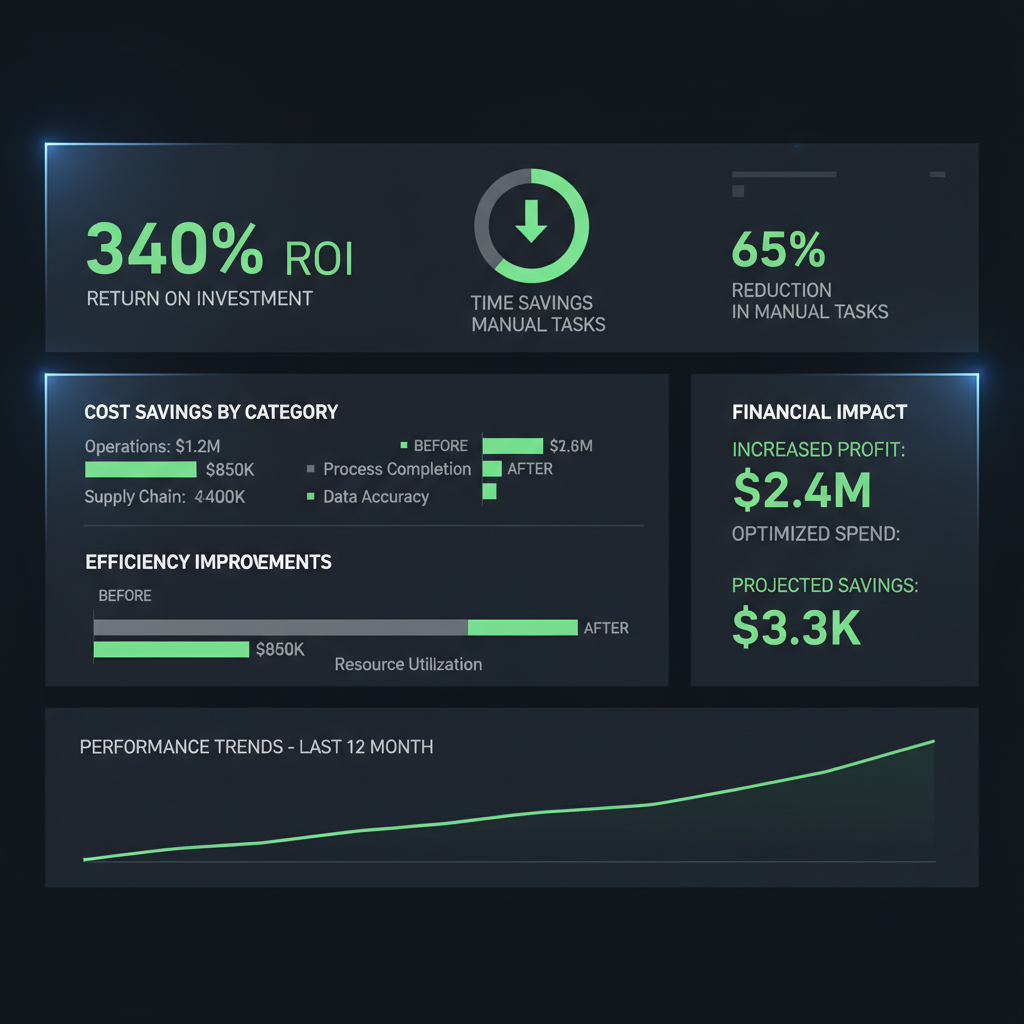
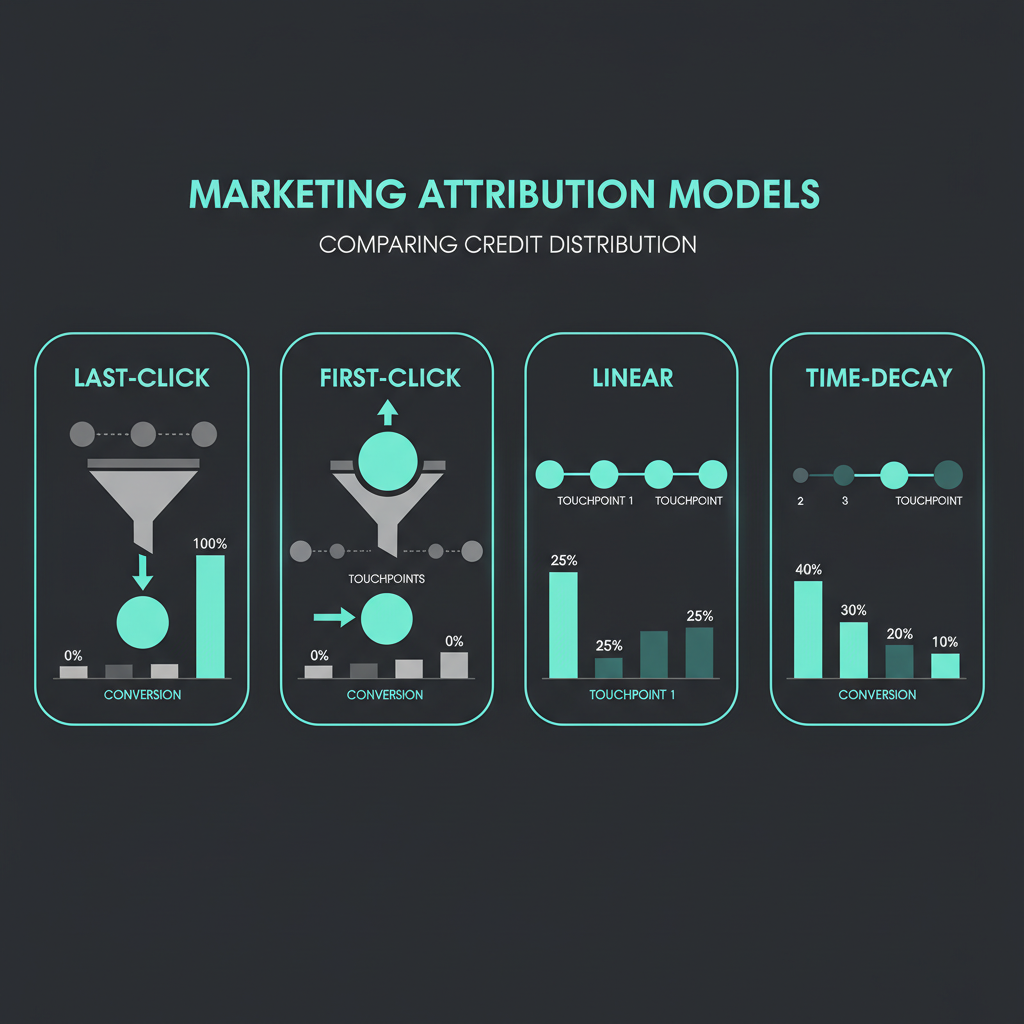
A direct-to-consumer brand spending $50M+ annually on marketing made every budget decision based on last-click attribution—the default in their analytics platform. Deep analysis revealed the devastating impact: awareness channels (podcasts, influencers, brand video) showed terrible ROAS and were being systematically defunded. Meanwhile, retargeting and branded search—which simply captured demand created elsewhere—received ever-increasing budgets. They were optimizing for the bottom of a funnel while starving the top. But switching attribution models isn't simple—different models tell different stories, and leadership needed confidence in whatever replaced last-click.
We designed a comprehensive attribution intelligence system combining multiple methodologies: multi-touch attribution for digital touchpoint credit, incrementality testing for causal measurement, and marketing mix modeling for understanding brand and offline channels. No single model tells the complete truth—but triangulating across methodologies reveals what's actually driving business outcomes. Our approach would give leadership not just new numbers, but confidence in those numbers through validation across methods.
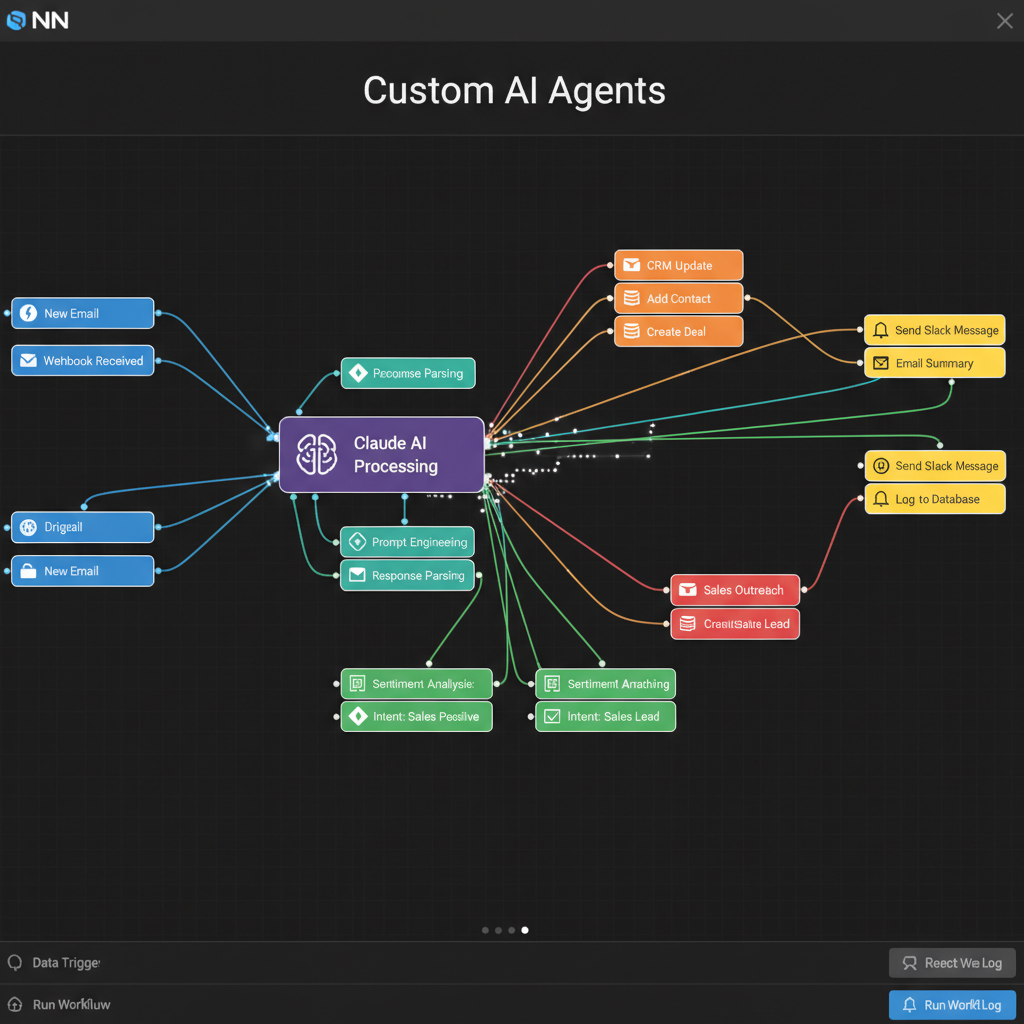
System architecture and workflow visualization
BigQuery ML powers custom attribution models trained on the brand's specific customer journey data. We implemented data-driven attribution that learns actual path-to-conversion patterns rather than applying arbitrary rules. The model weights touchpoints based on their actual influence on conversion probability.
dbt transformation pipelines prepare data from 8 sources—ad platforms, CRM, e-commerce, customer data platform—creating the unified customer journey dataset required for accurate attribution. Identity resolution connects anonymous website visits to eventual purchasers.
OWOX BI provides the multi-touch attribution layer, handling the complexity of cross-device journeys and long consideration windows. We configured custom channel groupings reflecting how the brand actually thinks about their marketing mix.
For brand and offline channels, we implemented Marketing Mix Modeling—statistical analysis of aggregate performance across channels, accounting for seasonality, competitive activity, and economic factors. Incrementality testing through geo-experiments validated the models: holding out markets from campaigns to measure true lift.
Looker dashboards present attribution data in business terms—not just which channels get credit, but what the optimal budget allocation should be and expected impact of reallocation.
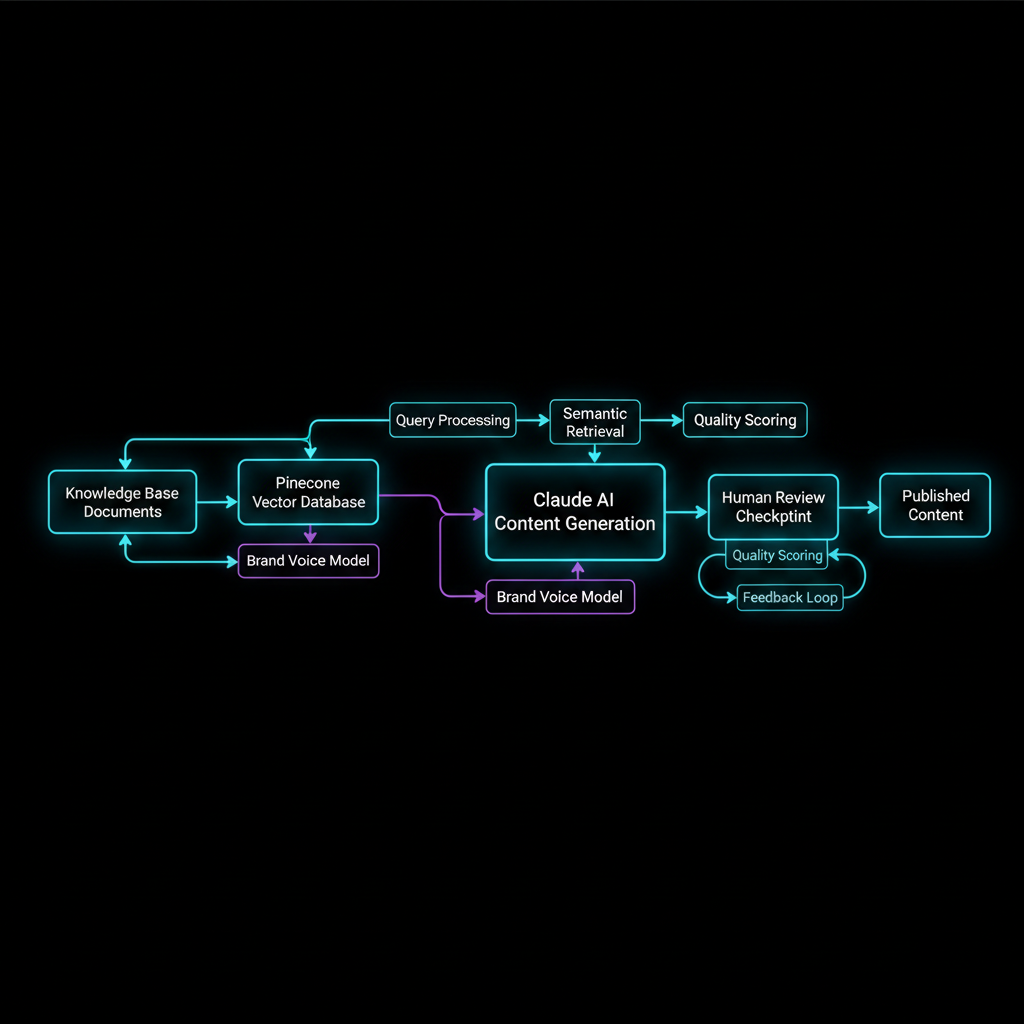
Technical implementation and integration details
Eight weeks of implementation and validation delivered transformative insights:
The brand now makes $50M+ in annual marketing decisions with confidence in the underlying data.
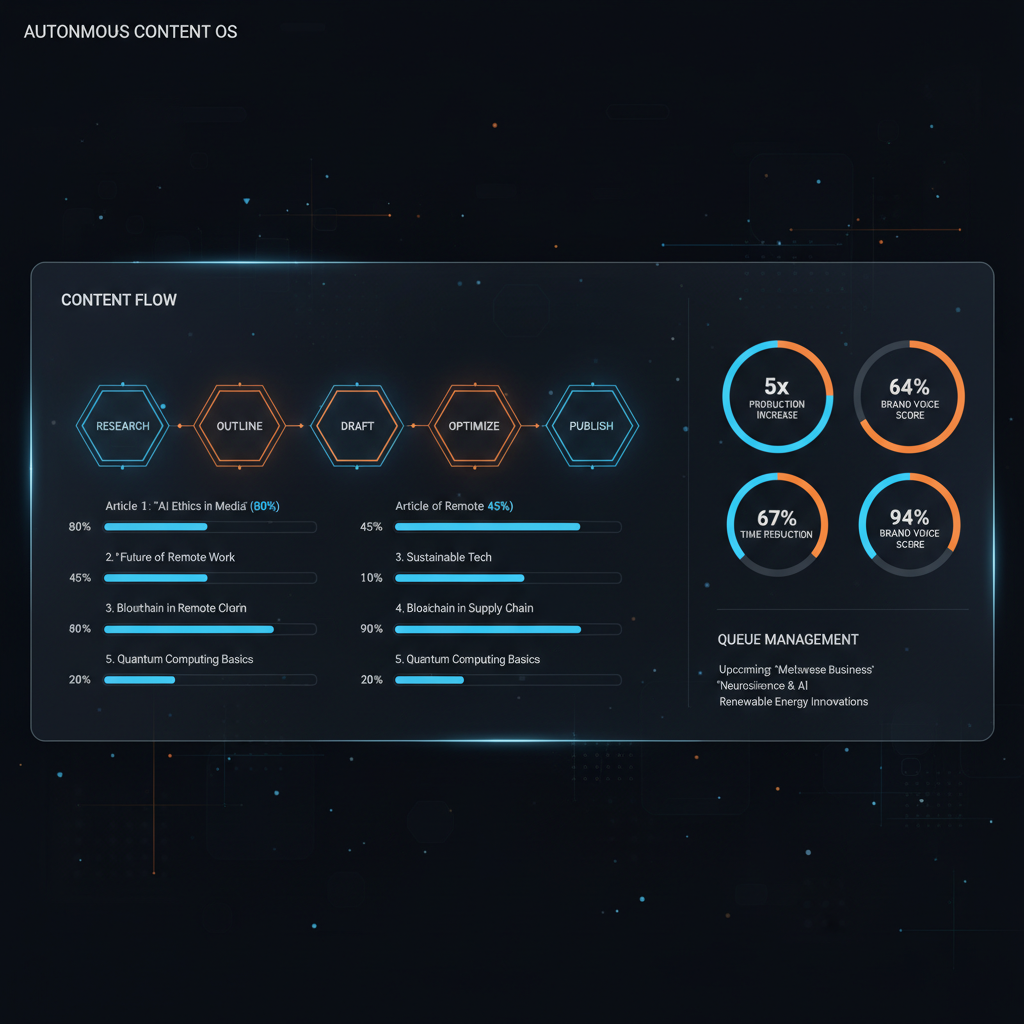
Performance metrics and results visualization
Attribution is a measurement problem, not just a technology problem—multiple methodologies are required to triangulate truth. Last-click attribution systematically undervalues awareness channels, leading to funnel starvation over time. Incrementality testing through holdout experiments provides the ground truth needed to validate attribution models. Organizations that invest in proper attribution infrastructure make dramatically better marketing decisions than those relying on platform defaults.
Explore similar case studies

Built a multi-agent GEO monitoring platform tracking AI citations across ChatGPT, Perplexity, and Claude. Increased AI platform visibility 156% with real-time citation intelligence.

Deployed specialized AI agents for prospecting, enrichment, scoring, and engagement prediction. Delivered 28% revenue growth and 52% faster deal cycles.
Led comprehensive digital transformation consolidating 15 disconnected tools into unified AI-first architecture. Achieved 85% task reduction and $2.1M annual savings.
Let's discuss how similar strategies and AI-powered solutions could drive measurable results for your business.